Buying a house is exciting, but can also be overwhelming. Between banks, paperwork, taxes and a bunch of Portuguese acronyms and terms nobody explains properly, it can feel like you suddenly need a degree in finance just to understand what’s happening.
The good news? You really only need to know a few key terms to feel much more confident during the process.
Here’s a simple guide to the most common home-buying terms in Portugal.
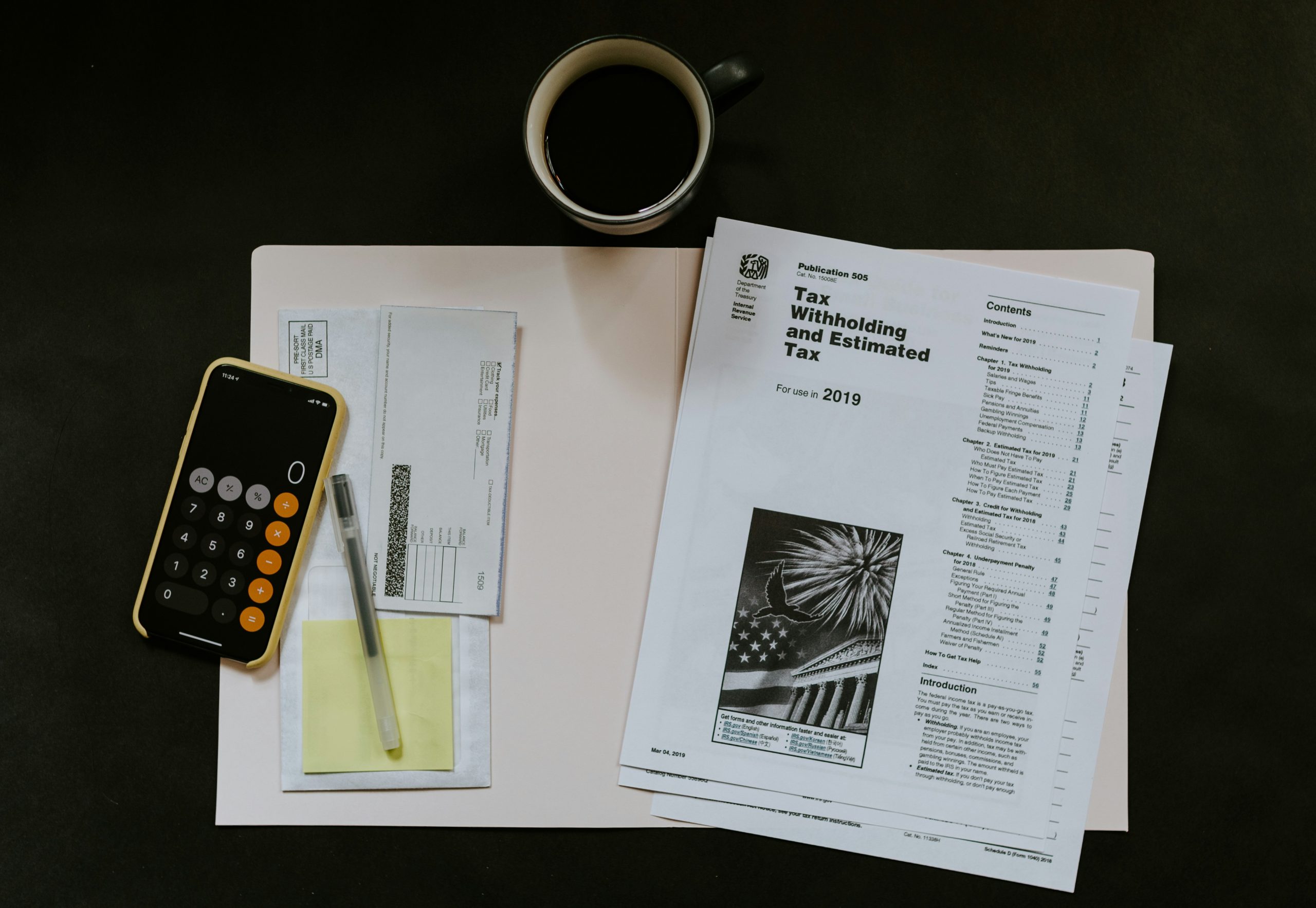
IMT (Property Transfer Tax)
The tax you pay when buying a property.
Unfortunately, buying a house already involves significant costs and IMT is one of the taxes buyers need to account for during the process.
The amount depends on:
- The property price,
- The location,
- whether it’s your primary residence,
- The type of property.
It’s one of the biggest upfront costs buyers forget to calculate.
CPCV (Promissory Purchase Agreement)
A contract that officially secures the deal before the final deed.
At this stage, the buyer usually pays a deposit, typically around 10% of the property price.
Here’s the important part:
- If the buyer backs out, they may lose the deposit.
- If the seller backs out, they usually have to return double the amount paid.
Think of it as the commitment phase before everything becomes official.
FINE (European Standardised Information Sheet)
A document provided by the bank with all the details of your mortgage offer.
This includes:
- Interest rates,
- Monthly payments,
- Insurance,
- Fees,
- Total loan costs.
This document is extremely important because it allows you to compare mortgage offers between different banks fairly and clearly.
Don’t just compare monthly payments, compare the FINE documents.
Entrada (Down Payment)
The amount of money you pay upfront when buying the property.
In Portugal, banks usually finance around 80–90% of the property value, which means buyers often need:
- 10–20% for the down payment, plus taxes and additional costs.
In other words: the purchase price is not the total amount you need saved.
Crédito Habitação (Mortgage)
The loan you get from the bank to buy the house.
Most mortgages in Portugal last between 30 and 40 years, making them one of the most significant long-term financial commitments for most buyers.
Taxa de Juro (Interest Rate)
The cost of loaning money from the bank.
This directly affects your monthly mortgage payment.
Depending on your contract, the interest rate can:
- Fixed rate: the interest rate remains the same, meaning your monthly payment stays stable.
- Variable rate: the interest rate changes over time based on the Euribor rate.
- Mixed rate: the loan starts with a fixed rate for a number of years and then switches to a variable rate afterwards.
Euribor
The European reference interest rate used by banks.
If you have a variable-rate mortgage, your monthly payment will fluctuate based on Euribor changes.
Spread
The bank’s profit margin added on top of Euribor.
For example, if Euribor equals 2% and Spread equals 1%, your interest rate becomes 3%. The lower the spread, the better the loan conditions usually are.
Avaliação Bancária (Bank Appraisal)
The value the bank believes the property is worth.
One important detail to keep in mind: sometimes the appraisal value is lower than the purchase price you agreed on. If that happens, the bank may lend you less money than expected, meaning you may need more cash upfront.
LTV (Loan-to-Value)
The percentage of the property value the bank is willing to finance.
An LTV of 90% means the bank finances 90% of the property value, so the buyer is responsible for covering the remaining 10%.
Higher LTV usually means lower upfront costs for the buyer, but stricter approval requirements from the bank.
TAEG (Annual Percentage Rate)
The total cost of the mortgage per year.
This includes:
- Interest,
- Bank fees,
- Commissions,
- Insurance,
- And other associated costs.
If you only compare interest rates, you’re not seeing the full cost.
TAEG is one of the best indicators for comparing mortgage offers properly.
MTIC (Total Amount Payable)
The total amount you’ll pay over the entire loan period.
It includes:
- The borrowed amount,
- All interest,
- All associated costs over the years.
It is basically the “how much this house actually costs in the end” number.
Escritura / DPA (Final Deed)
The final official signing moment when the property legally becomes yours.
This is when:
- The payment is completed,
- Ownership is transferred,
- And you finally get the keys!
Buying property in Portugal can feel complicated at first, but understanding the process makes everything much less intimidating. And the truth is, you don’t have to figure it all out alone.
At EasyRelocation, we’re here to guide you through every step of the journey, from understanding paperwork and mortgage terms to answering all the questions that inevitably come up along the way.
Because buying a home should feel exciting, not confusing.