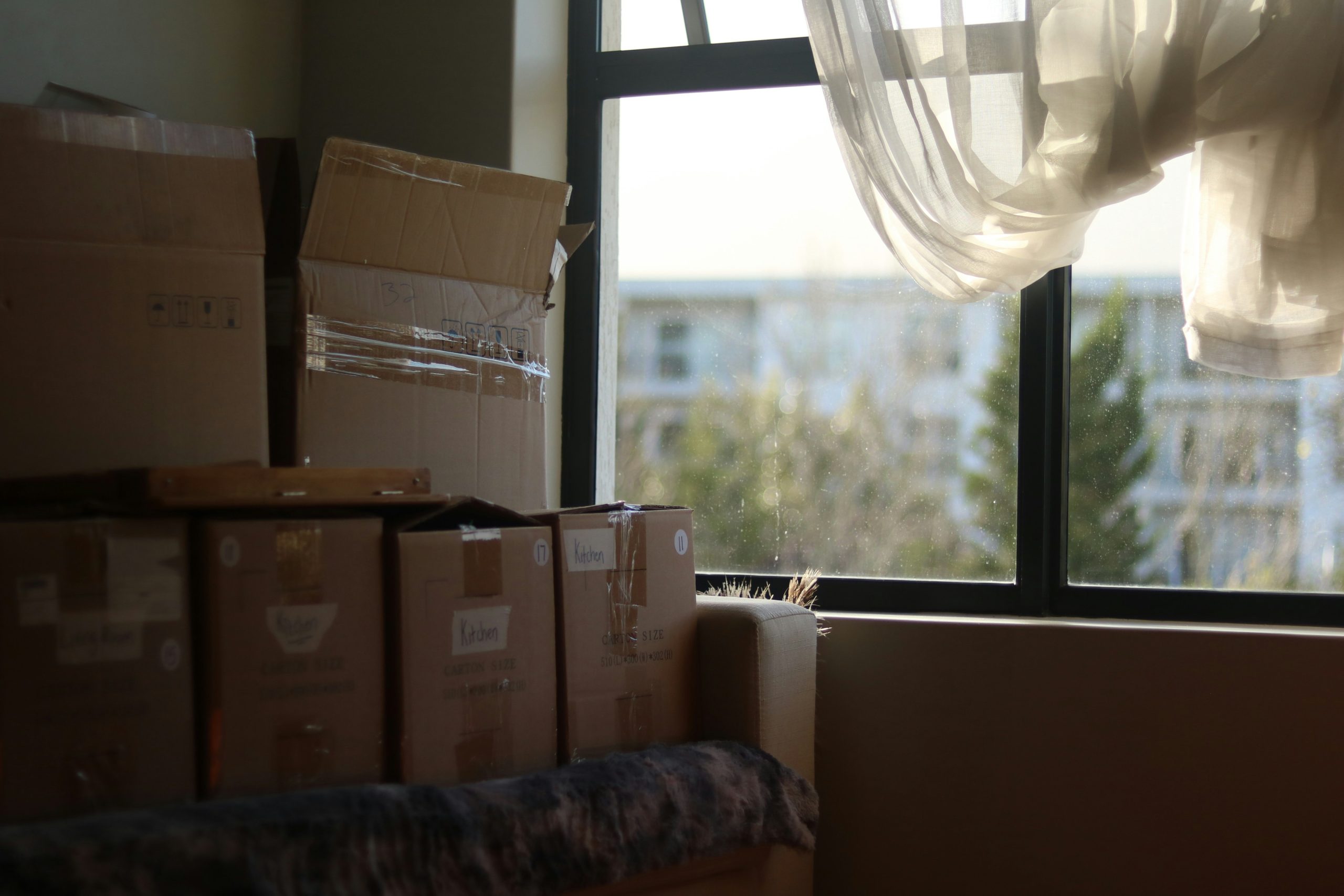
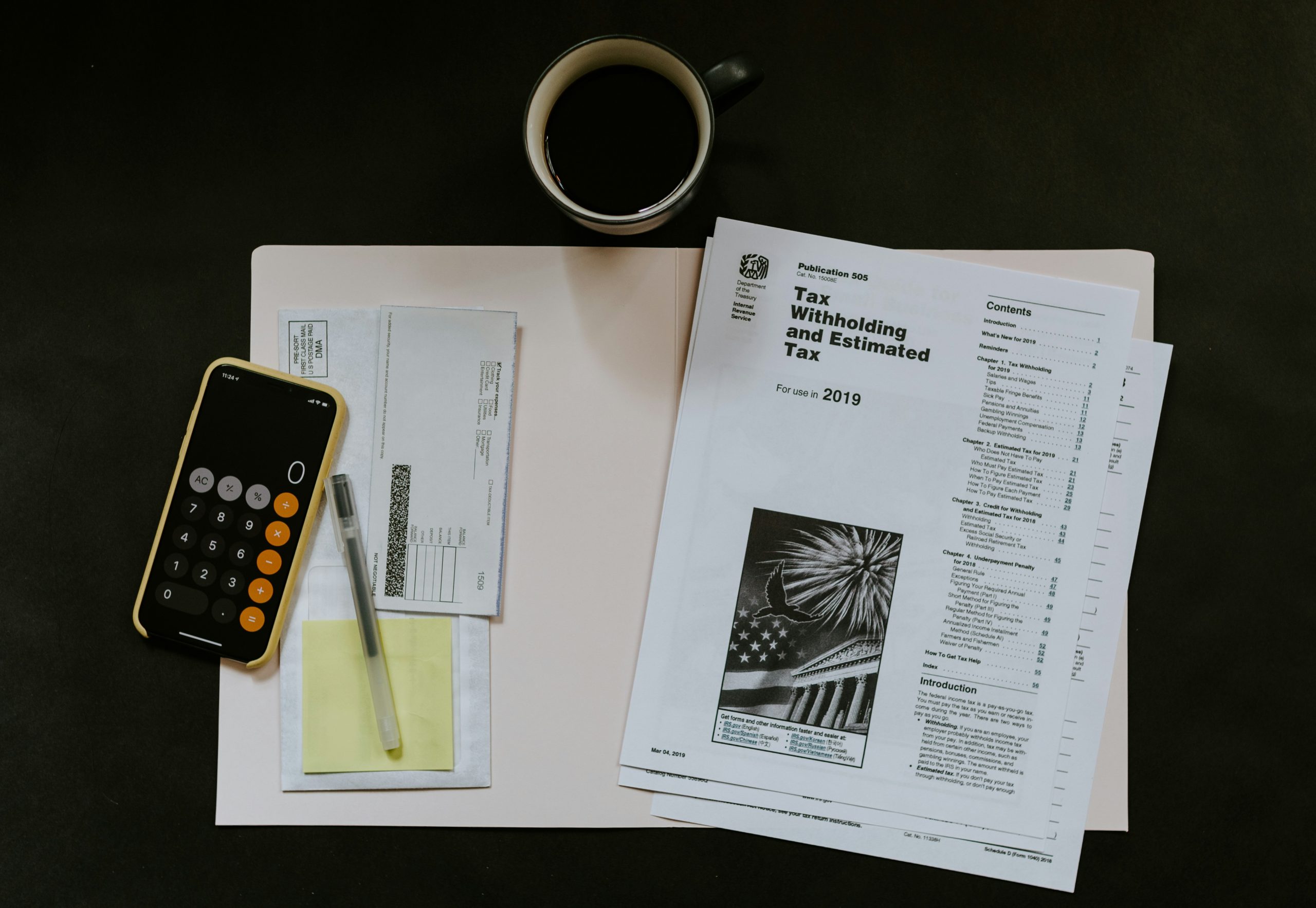
If you’re living in Portugal, or thinking about moving here, you’ve probably asked yourself: should I rent or buy a home? The answer isn’t straightforward. It depends on your financial situation, lifestyle and how long you plan to stay.
In this article, we break down the pros and cons of renting vs buying in Portugal to help you make a smarter decision.
Buying a Home
Buying a home in Portugal has long been seen as a solid investment. Property ownership offers stability and the potential for long-term financial gain.
Advantages of Buying
- Investment potential: In several areas, real estate values have shown consistent growth over the years.
- Stability: No risk of rent increases or landlord decisions.
- Freedom: You can renovate, decorate and adapt your home as you wish. It also allows you to have pets without restrictions.
- Mortgage vs rent: Monthly mortgage payments can sometimes be similar to rent, but you’re building equity.
Disadvantages of Buying
- High upfront costs: Expect to pay a down payment (usually 10–20%) plus taxes and legal fees.
- Less flexibility: Selling a property takes time and involves costs.
- Market risk: Property prices can fluctuate.
- Maintenance costs: Repairs and upkeep are your responsibility.
Renting a Home
Renting a home is often the more flexible and accessible living option, especially in the short term, as it allows you to relocate easily without the long-term commitment of ownership.
Advantages of Renting
- Flexibility: Easier to move for work or lifestyle changes.
- Lower initial costs: Typically just a deposit and a few months’ rent.
- No maintenance worries: Most repairs are the landlord’s responsibility.
- Access to prime locations: Renting may allow you to live in areas where buying is too expensive.
Disadvantages of Renting
- No equity: Monthly payments don’t build ownership.
- Rent increases: Prices can rise, especially in high-demand cities.
- Less control: Restrictions on decoration, pets or renovations.
- Long-term cost: Renting indefinitely may cost more over time than buying.
Key Factors to Consider
1. Your Financial Situation
- Do you have savings for a down payment?
- Can you access a mortgage with favorable terms?
- Are you prepared for additional costs like IMT (property transfer tax) and maintenance?
2. Length of Stay
- Short-term (0–3 years): Renting is usually the better option.
- Long-term (5+ years): Buying may be more cost-effective.
3. Market Conditions
- Interest rates, housing demand and regional price trends all influence the decision.
- In some Portuguese cities, rising prices make buying less accessible.
4. Lifestyle Preferences
- Do you value stability or flexibility?
- Are you comfortable committing to one location?
So… What’s the Best Option?
There’s no universal answer to renting vs buying in Portugal. If you value flexibility or are still exploring your options, renting is a safe choice. If you’re financially prepared and planning to stay long-term, buying can be a rewarding investment.
If you’re looking to explore your options, Easyrelocation is your go-to solution. Whether you decide to buy your dream home or choose to rent, we’re here to help every step of the way.